By The Daniels Group
Owning a home along the water in La Jolla means waking up to some of the most dramatic ocean views in Southern California. It also means your landscaping has to earn its place in a setting where salt, wind, and full sun are part of daily life. The right outdoor design does more than frame the amazing view; it protects your investment, extends your living space toward the coastline, and turns a beautiful lot into a property that feels effortless to enjoy.
Oceanfront landscaping in La Jolla is a specialized craft. Plants that flourish a few miles inland can struggle when exposed to constant marine air, and hardscape materials that look stunning in a catalog can corrode or fade quickly when they meet salt spray. When you understand how coastal conditions shape your choices, you can build an outdoor environment that stays vibrant year-round and complements the architecture of your home.
If you are preparing to sell, refreshing your grounds, or simply making the most of your slice of the coast, thoughtful landscaping is one of the highest-impact upgrades you can make. Below, you will find the ideas that consistently perform along the La Jolla shoreline and the details that separate a good coastal yard from a great one.
Key Takeaways
- Salt-tolerant, drought-resistant plants are essential for oceanfront properties in La Jolla, since they thrive in marine air and reduce long-term maintenance.
- Durable hardscape materials, such as natural stone and marine-grade metals, hold up far better against salt and sun than standard finishes.
- Framing and preserving ocean views should guide the layout of every planting bed, structure, and seating area on the property.
- Windbreaks and layered plantings protect delicate greenery while creating comfortable outdoor living zones.
- Sustainable irrigation and native species keep your landscape lush while conserving water in a coastal climate.
Choose Coastal Plants That Thrive in Salt Air
The single most important decision for any oceanfront lot is plant selection. La Jolla's marine environment delivers steady salt spray, strong afternoon sun, and sandy, fast-draining soil, so the plants you choose need to tolerate all three without constant intervention. Succulents, ornamental grasses, and native coastal species are the workhorses of a shoreline garden because they store water efficiently and resist the drying effects of ocean wind.
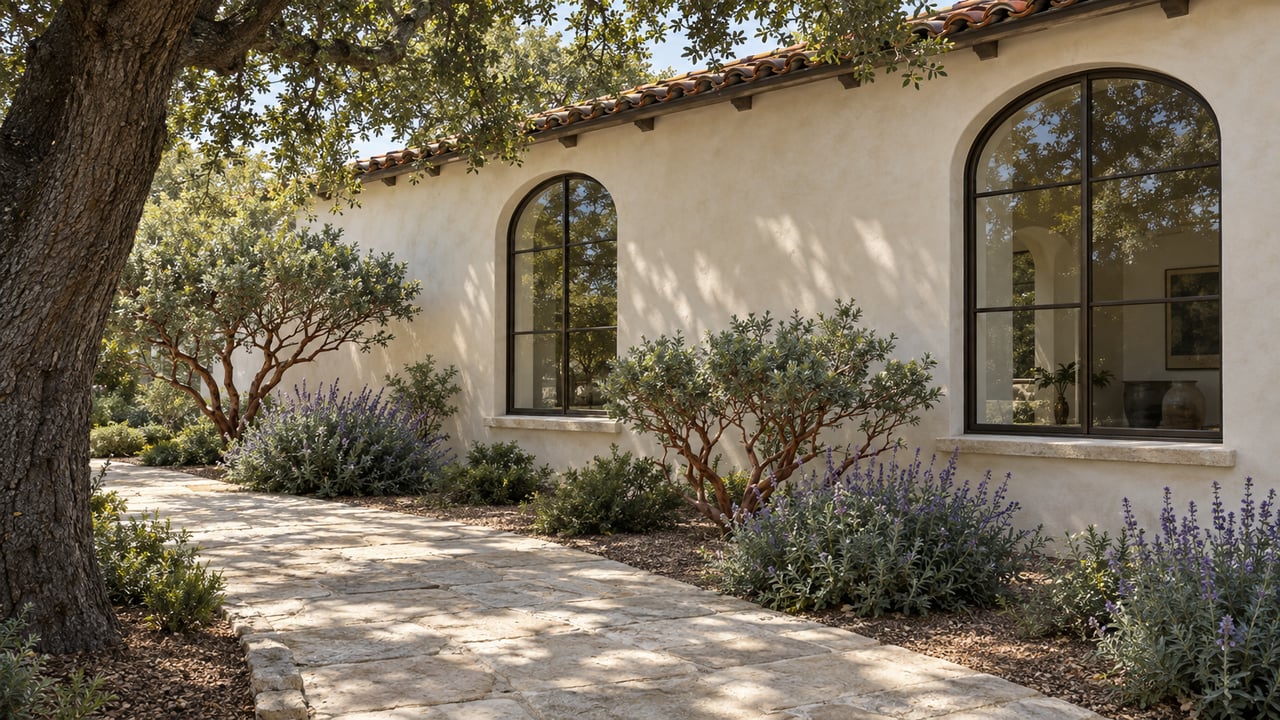
Succulents, such as agave, aloe, and aeonium, bring sculptural shapes and rich color while asking almost nothing in return. Native varieties, including California lilac, coast rosemary, and sea lavender, have evolved to handle exactly these conditions, which means they establish quickly and stay healthy through the seasons. Layering these plants at different heights adds depth to your beds and gives the eye something interesting to follow as it moves toward the water.
When you plan your palette, think about how each plant will look across the full year rather than just at peak bloom. A well-designed coastal garden reads as intentional in every season, with texture and structure carrying the visual weight even when flowers are resting.
Succulents, such as agave, aloe, and aeonium, bring sculptural shapes and rich color while asking almost nothing in return. Native varieties, including California lilac, coast rosemary, and sea lavender, have evolved to handle exactly these conditions, which means they establish quickly and stay healthy through the seasons. Layering these plants at different heights adds depth to your beds and gives the eye something interesting to follow as it moves toward the water.
When you plan your palette, think about how each plant will look across the full year rather than just at peak bloom. A well-designed coastal garden reads as intentional in every season, with texture and structure carrying the visual weight even when flowers are resting.
What To Look For
- Salt tolerance, so the plant can withstand ongoing exposure to marine air without leaf burn.
- Drought resistance, which reduces water use and keeps maintenance manageable through dry stretches.
- Deep or fibrous root systems that help stabilize sandy soil and hold up against coastal wind.
- Year-round interest through foliage color, texture, or form, so the landscape stays attractive between blooming cycles.
- Low litter and easy upkeep, so that the space stays clean and polished with minimal effort.
Build Hardscape That Stands Up to the Coast
Plants set the tone, but hardscape gives an oceanfront landscape its structure and longevity. Patios, walkways, retaining walls, and seating areas all have to perform in an environment that is tough on materials. Salt accelerates corrosion, and intense sun fades color, so the finishes you select need to be chosen with the coastline in mind rather than borrowed from an inland design.
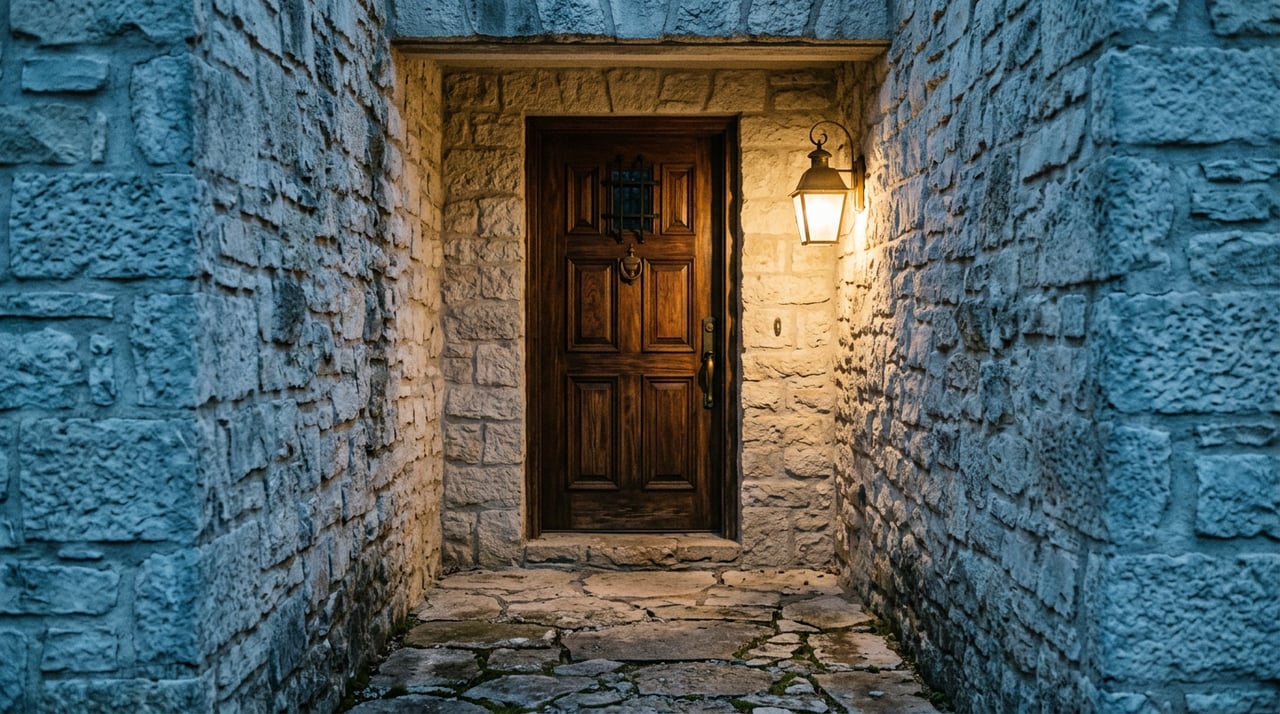
Natural stone, porcelain pavers, and sealed concrete tend to be the most reliable surfaces for La Jolla properties because they resist staining and hold their appearance over time. For any metal elements, including railings, pergola frames, and light fixtures, marine-grade stainless steel or powder-coated aluminum will dramatically outlast standard hardware. Wood can still play a role, though weather-resistant species and proper sealing are non-negotiable if you want it to age gracefully.
Beyond durability, hardscape is your opportunity to create defined outdoor rooms that draw people toward the view. A stone terrace positioned to catch the sunset, a fire feature that anchors an evening gathering, or a low seat wall that doubles as extra seating all extend your living space into the landscape. When these elements are placed thoughtfully, they make the entire property feel larger and more connected to the ocean.
Natural stone, porcelain pavers, and sealed concrete tend to be the most reliable surfaces for La Jolla properties because they resist staining and hold their appearance over time. For any metal elements, including railings, pergola frames, and light fixtures, marine-grade stainless steel or powder-coated aluminum will dramatically outlast standard hardware. Wood can still play a role, though weather-resistant species and proper sealing are non-negotiable if you want it to age gracefully.
Beyond durability, hardscape is your opportunity to create defined outdoor rooms that draw people toward the view. A stone terrace positioned to catch the sunset, a fire feature that anchors an evening gathering, or a low seat wall that doubles as extra seating all extend your living space into the landscape. When these elements are placed thoughtfully, they make the entire property feel larger and more connected to the ocean.
Top Considerations
- Corrosion resistance, so that railings, fasteners, and fixtures survive years of salt exposure.
- UV stability, which keeps stone and paver colors from fading under intense coastal sun.
- Slip-resistant surfaces, especially important near pools, steps, and areas that stay damp from ocean mist.
- Proper drainage built into patios and pathways, so that water moves away from the home efficiently.
- Cohesive materials that tie the hardscape to your home's architecture for a polished, unified look.
Design Around the View
On an oceanfront lot, the water is the star of the show, and every design decision should protect and enhance that sightline. The most common mistake we see is landscaping that unintentionally blocks or competes with the view instead of framing it. Thoughtful layout keeps taller plantings and structures to the sides, leaving the central corridor open so the horizon remains the focal point from your key living spaces.
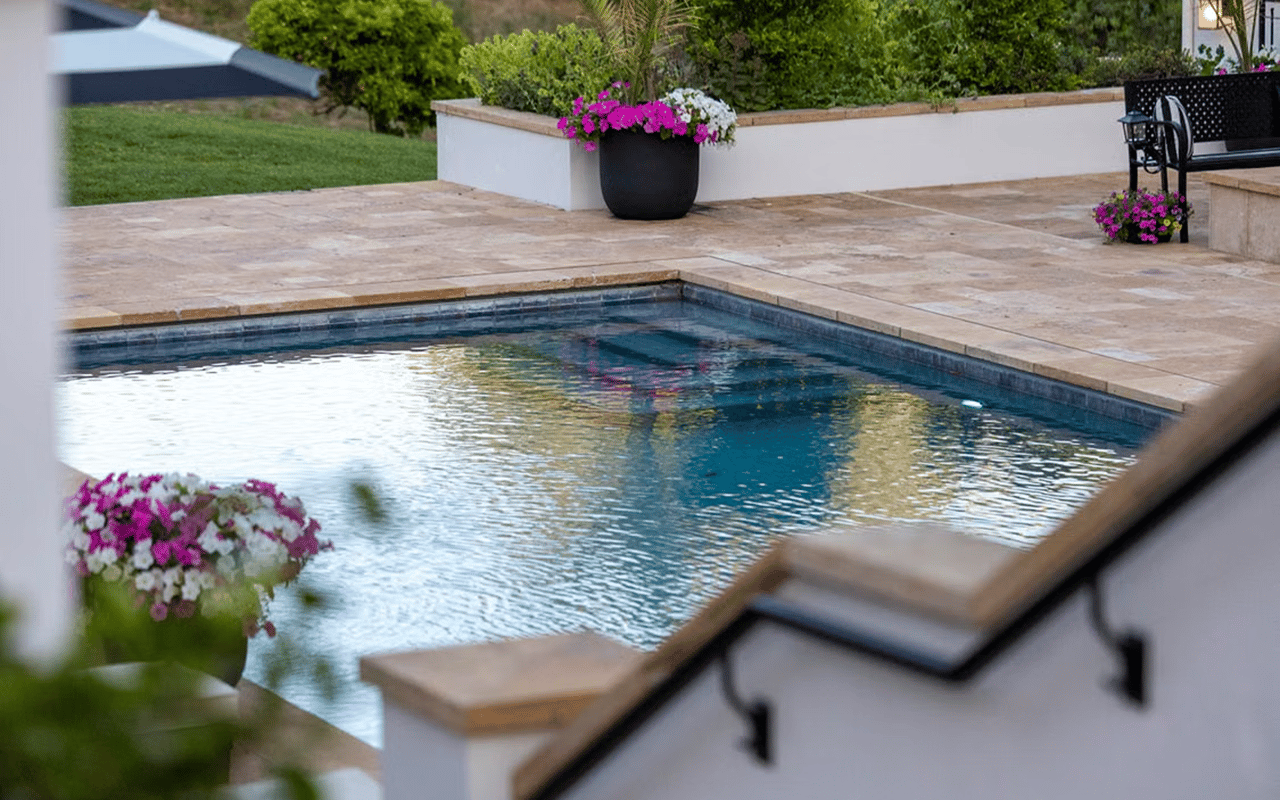
Think about where you spend the most time, whether that is a kitchen window, a primary bedroom balcony, or a back terrace, and design outward from those vantage points. Low plantings, glass railings, and open sightlines preserve the panorama, while strategically placed trees or hedges can screen neighboring properties without sacrificing the water view. Reflective elements, such as a still water feature or a pool positioned to mirror the sky, can even amplify the sense of openness.
Lighting deserves attention here as well. Soft, low-level illumination along pathways and around seating areas lets you enjoy the outdoor space after dark without overpowering the natural drama of the coastline. The goal is to guide the eye gently toward the water at every hour of the day.
Think about where you spend the most time, whether that is a kitchen window, a primary bedroom balcony, or a back terrace, and design outward from those vantage points. Low plantings, glass railings, and open sightlines preserve the panorama, while strategically placed trees or hedges can screen neighboring properties without sacrificing the water view. Reflective elements, such as a still water feature or a pool positioned to mirror the sky, can even amplify the sense of openness.
Lighting deserves attention here as well. Soft, low-level illumination along pathways and around seating areas lets you enjoy the outdoor space after dark without overpowering the natural drama of the coastline. The goal is to guide the eye gently toward the water at every hour of the day.
How It Works
- Position the seating and gathering areas to capture the best ocean sightlines from the property.
- Keep central view corridors open by placing taller elements toward the edges of the lot.
- Use glass or cable railings so that safety features do not interrupt the panorama.
- Add water features that reflect the sky and reinforce the coastal setting.
- Layer subtle landscape lighting to extend enjoyment of the view into the evening.
Protect Your Landscape With Windbreaks and Smart Irrigation
Coastal wind is relentless, and it can quickly stress plants that are not shielded or suited to the exposure. Building in natural windbreaks allows you to grow a wider variety of greenery and creates sheltered pockets where outdoor living becomes far more comfortable. Dense, salt-tolerant hedges, low walls, and layered plantings all soften the wind while adding seclusion and structure to the property.
Irrigation is the other piece that keeps a coastal landscape thriving. Sandy soil drains quickly, so efficient watering systems, including drip irrigation and smart controllers, deliver moisture precisely where it is needed and adjust to real conditions. Pairing this with native and drought-tolerant species means your landscape stays lush while using far less water, which matters both for sustainability and for keeping upkeep reasonable over the long term.
Grouping plants with similar water needs, a practice known as hydrozoning, makes the entire system more efficient and healthier. When your irrigation is dialed in and your windbreaks are working, the landscape practically maintains itself, giving you more time to enjoy the setting rather than manage it.
Irrigation is the other piece that keeps a coastal landscape thriving. Sandy soil drains quickly, so efficient watering systems, including drip irrigation and smart controllers, deliver moisture precisely where it is needed and adjust to real conditions. Pairing this with native and drought-tolerant species means your landscape stays lush while using far less water, which matters both for sustainability and for keeping upkeep reasonable over the long term.
Grouping plants with similar water needs, a practice known as hydrozoning, makes the entire system more efficient and healthier. When your irrigation is dialed in and your windbreaks are working, the landscape practically maintains itself, giving you more time to enjoy the setting rather than manage it.
Best Practices
- Install salt-tolerant hedges or screens to buffer wind and create sheltered outdoor zones.
- Use drip irrigation and smart controllers so that water is delivered efficiently to sandy soil.
- Group plants by water needs through hydrozoning to simplify care and reduce waste.
- Amend soil where appropriate to improve moisture retention without hindering drainage.
- Choose native species that require minimal supplemental watering once established.
FAQs
What Are the Best Plants for Oceanfront Landscaping in La Jolla?
The strongest performers are salt-tolerant and drought-resistant species that handle marine air and sandy soil with ease. Succulents, such as agave and aloe, native shrubs, including California lilac and coast rosemary, and ornamental grasses all thrive along the La Jolla shoreline. These plants stay attractive year-round and require far less maintenance than options better suited to inland gardens.
How Do I Protect My Landscaping From Salt Damage?
Start with plants that naturally tolerate salt exposure, then choose hardscape materials that resist corrosion, such as natural stone and marine-grade metals. Rinsing salt buildup off hardier plants during dry spells and sealing stone surfaces can extend their lifespan considerably. Thoughtful plant placement, so that the most delicate greenery sits in sheltered areas, also makes a meaningful difference.
How Can Landscaping Increase My Oceanfront Home's Value?
Well-executed coastal landscaping enhances curb appeal, frames the view that makes the property special, and signals to prospective buyers that the home has been thoughtfully cared for. Outdoor living spaces, durable hardscape, and healthy, appropriate plantings all contribute to a stronger impression and can meaningfully influence how a home is perceived on the market.
Should Landscaping Be Designed Around the Ocean View?
Yes, and this should be the guiding principle of the entire design. Keeping central sightlines open, placing taller elements to the sides, and using glass railings or reflective water features all preserve and enhance the panorama. The landscape should draw the eye toward the water rather than compete with it.
Bring Your Coastal Vision to Life
Landscaping an oceanfront property in La Jolla is about working in harmony with the coast, choosing plants and materials that thrive in salt air, designing every space around the view, and building in the protection that keeps it all looking its best. When these elements come together, your grounds become an extension of the home and one of its most valuable features.
The coastline gives you an extraordinary canvas, and the right design lets you enjoy it fully while safeguarding your investment for years to come. Whether you are enhancing your current home or preparing it to impress future buyers, thoughtful landscaping is one of the smartest ways to elevate a property in this remarkable stretch of Southern California.
If you are ready to reimagine your oceanfront grounds or want expert guidance on the improvements that matter most in the La Jolla real estate market, our team is here to help. Reach out to us at The Daniels Group, and we will walk you through every step, from vision to results, so that your property reflects the very best of coastal living.
The coastline gives you an extraordinary canvas, and the right design lets you enjoy it fully while safeguarding your investment for years to come. Whether you are enhancing your current home or preparing it to impress future buyers, thoughtful landscaping is one of the smartest ways to elevate a property in this remarkable stretch of Southern California.
If you are ready to reimagine your oceanfront grounds or want expert guidance on the improvements that matter most in the La Jolla real estate market, our team is here to help. Reach out to us at The Daniels Group, and we will walk you through every step, from vision to results, so that your property reflects the very best of coastal living.