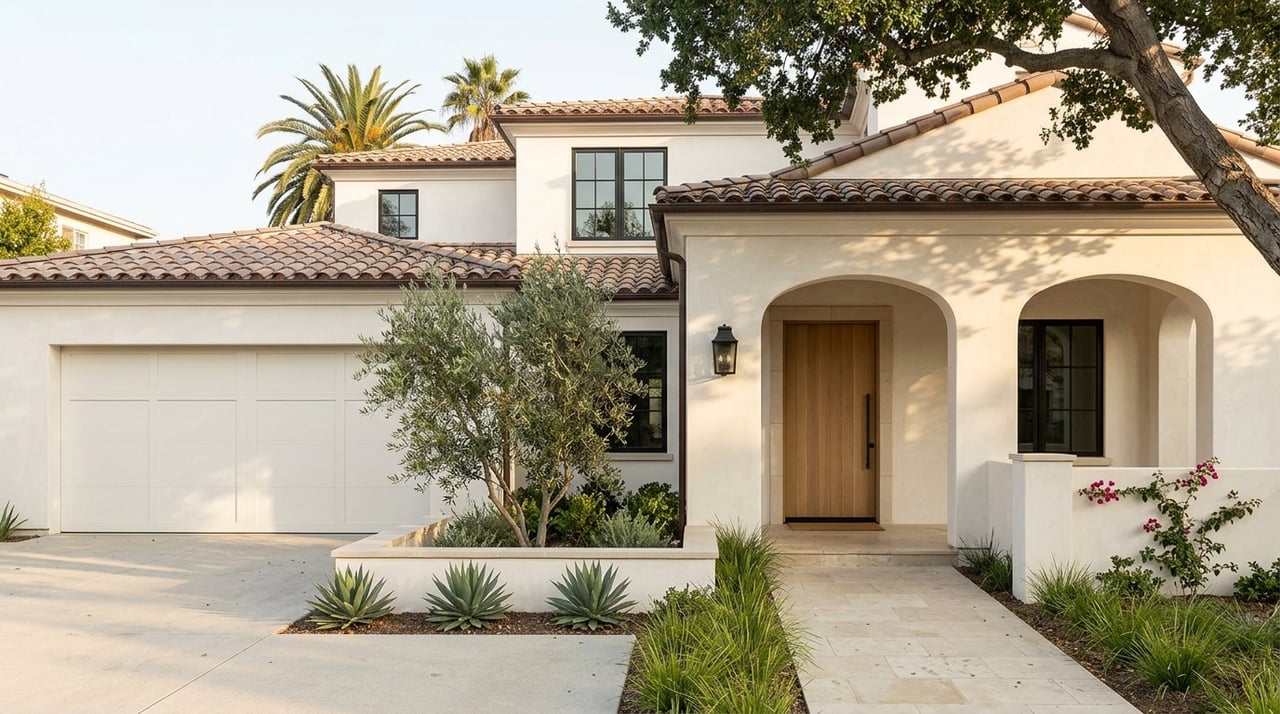
If you want La Jolla access without the constant activity of the Village core, La Jolla Heights deserves a closer look. This hillside pocket offers a more residential setting shaped by canyons, slopes, and wide views, while still keeping you close to UC San Diego, Torrey Pines, and everyday conveniences near UTC. If you are wondering what it really feels like to live here, this guide will walk you through the setting, homes, lifestyle, and what buyers often want to know. Let’s dive in.
La Jolla Heights at a Glance
La Jolla Heights is best understood as a residential hillside enclave within the broader La Jolla community. According to the City of San Diego’s community planning documents, La Jolla is defined by ocean bluffs, steep canyons, hillsides, beaches, and Mount Soledad, with most future change happening through infill because the community is largely built out.
That matters if you are looking for a neighborhood that feels established rather than newly created. In La Jolla Heights, the setting is a big part of the appeal. The area connects you to the larger La Jolla lifestyle, but it often reads as calmer and more tucked away than the commercial activity centered in the Village, the Shores, or Bird Rock.
Why the Area Feels So Quiet
One of the clearest themes in La Jolla Heights is its topography. Steep slopes, canyon edges, and view-oriented homes naturally create a more private feel than flatter, busier parts of coastal San Diego.
City planning guidance for La Jolla emphasizes preserving hillsides, canyons, views, and residential character. That helps explain why La Jolla Heights often appeals to buyers who want a scenic retreat close to the coast, but do not need to be in the middle of a walk-everywhere district.
La Jolla Heights Natural Park adds to that sense of space. The city identifies the park as 42.64 acres, and planning materials note that residents and visitors are drawn to the area and nearby Mount Soledad for panoramic views of the coastline and the San Diego skyline.
Home Styles in La Jolla Heights
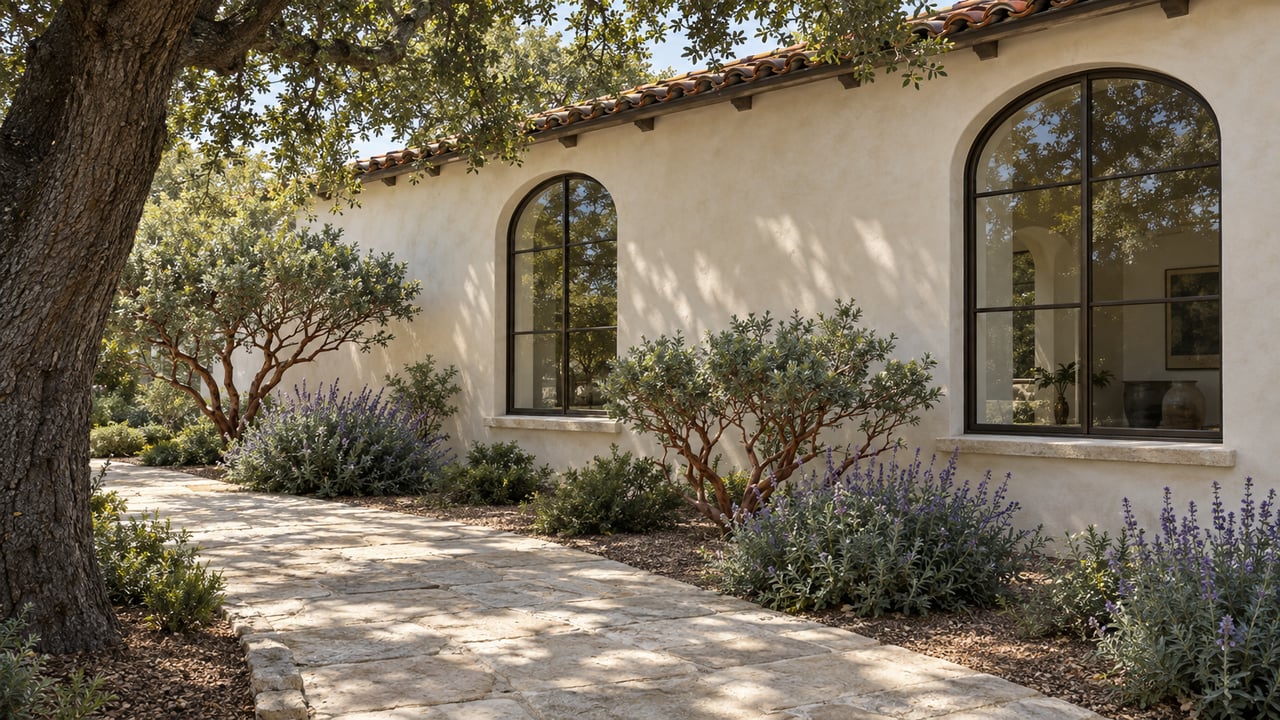
If you are hoping for one uniform architectural style, that is not really the story here. The broader La Jolla community includes a wide mix of housing, and local preservation sources reference bungalow and beach cottages, 1920s Spanish Revival homes, and midcentury modern properties influenced by California Ranch and International Style design.
In practical terms, La Jolla Heights is better described as varied than stylistically consistent. Because La Jolla is largely built out and guided by compatibility standards for new construction, the neighborhood likely includes a blend of older homes that have been updated over time, later custom view homes, and some newer infill residences.
The hillside setting also shapes how homes feel. The city notes that very low density residential areas in La Jolla often include large single-dwelling homes on steep slopes or near open space. For you, that can translate to homes that feel more private, more view-driven, and in some cases more estate-like than homes on flatter lots closer to commercial centers.
Living Near UC San Diego
For many buyers, one of the biggest practical advantages of La Jolla Heights is its proximity to UC San Diego. UC San Diego’s main campus is located in La Jolla at 9500 Gilman Drive and spans about 1,200 acres of coastal woodland.
That nearby campus presence can shape daily life in useful ways. Whether you work nearby, visit the university regularly, or simply appreciate being close to a major educational and research center, the location adds convenience without requiring you to live in a denser campus-adjacent environment.
The broader area also includes Scripps Institution of Oceanography in La Jolla. Its Coastal Meander Trail offers publicly accessible views from La Jolla Cove to Torrey Pines State Beach, which adds another layer to the neighborhood’s outdoor lifestyle appeal.
Outdoor Access Is a Major Perk
If you value fresh air, scenic drives, and coastal trails, La Jolla Heights puts you near some of San Diego’s most memorable landscapes. The area’s hillside position and proximity to open space make the natural setting feel like part of everyday life, not just a weekend bonus.
Torrey Pines State Natural Reserve is one of the region’s standout outdoor destinations. California State Parks describes it as home to the nation’s rarest pine tree, one of the last salt marshes and waterfowl refuges in Southern California, and a reserve with hiking trails, interpretive programs, a visitor center, and dramatic ocean-facing cliffs and ravines.
That means your routine can easily include early morning trail walks, sunset overlooks, or a quick scenic detour when you want to reset. For buyers moving from denser urban neighborhoods, that nearby access to protected coastal landscape can feel like a meaningful lifestyle shift.
Errands, Dining, and Daily Convenience
La Jolla Heights is not best framed as a neighborhood where most errands happen on foot. Instead, it works well for people who want a residential home base with straightforward access to key destinations nearby.
Westfield UTC is the major retail and dining anchor in the area. It offers open-air shopping, restaurants, and everyday conveniences, making it one of the most practical nearby destinations for regular errands and casual outings.
Transit connections also support mobility in the broader area. MTS reports that the UC San Diego Blue Line serves UTC Transit Center, UC San Diego Health La Jolla, and UC San Diego Central Campus, while SuperLoop Rapid 201 and 202 connect UTC Transit Center with UCSD, UC San Diego Medical Center in La Jolla, La Jolla Village Square, and Scripps Memorial Hospital.
For you, that means La Jolla Heights can offer a quieter residential setting without feeling isolated. Beaches, parks, campus destinations, and shopping hubs are all tied into the larger local network.
How It Compares to La Jolla Village
A common question is whether La Jolla Heights feels quieter than the Village. Based on city planning context and the area’s built environment, the answer is generally yes.
The Village serves as one of La Jolla’s main commercial centers, while La Jolla Heights is better understood as a residential retreat. You are still connected to everything that makes La Jolla desirable, but the experience is less centered on storefront activity and more centered on views, homes, and the natural terrain.
That distinction is important when you are choosing between lifestyle priorities. If you want immediate proximity to shops and restaurants, another part of La Jolla may fit better. If you prefer scenic calm with access to major destinations a short drive away, La Jolla Heights may feel more aligned.
Who La Jolla Heights Often Suits Best
La Jolla Heights tends to make sense for buyers who want a home environment that feels established, residential, and connected to the coast without being in the center of La Jolla’s busiest areas. It can be especially appealing if you value privacy, views, and easy access to UC San Diego or Torrey Pines.
You may find the neighborhood especially compelling if you are looking for:
- A hillside residential setting with a quieter tone
- A home near UC San Diego and other major institutions
- Quick access to coastal open space and trails
- A more tucked-away alternative to the Village core
- Varied housing styles rather than a uniform tract feel
Because La Jolla is largely built out, available homes here may also reflect the broader character of an established coastal market. Inventory can be shaped by infill, remodeling, and the natural constraints of hillside lots.
What to Keep in Mind as a Buyer
When you explore La Jolla Heights, it helps to focus on how the terrain affects day-to-day living. View orientation, lot shape, access, and the relationship to canyon or slope conditions can all influence how a property feels and functions.
It is also useful to compare your priorities honestly. Some buyers want the energy of the Village. Others want more visual openness, more separation from commercial activity, and easier access to campus or northern coastal destinations.
That is where local guidance matters. In a nuanced market like La Jolla, understanding the difference between one hillside pocket and another can make your home search more efficient and much more confident.
If you are considering a move in La Jolla or coastal San Diego, The Daniels Group can help you evaluate neighborhoods with the kind of local perspective that only comes from deep experience in this market.
FAQs
Is La Jolla Heights part of La Jolla?
- Yes. La Jolla Heights is a residential pocket within the broader La Jolla community in San Diego.
Is La Jolla Heights close to UC San Diego?
- Yes. UC San Diego’s main campus is located in La Jolla, and La Jolla Heights is commonly valued for its convenient access to the university and nearby research institutions.
What kinds of homes are in La Jolla Heights?
- The area is best understood as having a mix of home styles, including older homes that may have been remodeled, custom view homes, and some newer infill residences within an established community.
Is La Jolla Heights quieter than La Jolla Village?
- In general, yes. La Jolla Heights is more residential in character, while the Village is one of La Jolla’s main commercial districts.
What outdoor amenities are near La Jolla Heights?
- Nearby outdoor draws include La Jolla Heights Natural Park, Mount Soledad, the Scripps Coastal Meander Trail, and Torrey Pines State Natural Reserve.
Is La Jolla Heights a walk-everywhere neighborhood?
- It is better described as a residential area with access to nearby destinations by car or transit rather than a dense walk-everywhere setting like the Village core.